Curating the art of artisan floral design
Cultivating interior beauty through botanical decoration
Premium services from the expert floral shop

Same-day international flower delivery
Cold-chain networks ensure fragile orchids arrive fresh, utilizing climate-controlled shipping to maintain vase life during transport.

Custom corporate event floral styling
Florists collaborate on gala decor to transform venues, selecting seasonal blooms and textures that align with the venue architecture.

Weekly corporate flower subscriptions
Offices receive rotating monstera plants, bringing organic energy to receptions with hardy varieties chosen for longevity and low maintenance.
Discovering distinctive styles in artisan bouquets
Modern botany transcends decoration, merging horticulture with sculpture. Artists manipulate stem volume and negative space to create impact using fresh lilacs.
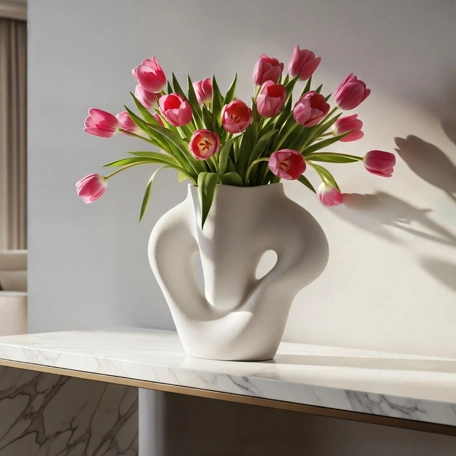
Structured modern flower arrangements
Minimalist designs define this approach, utilizing exotic anthuriums or heliconias to build architectural, geometric silhouettes for contemporary interiors.
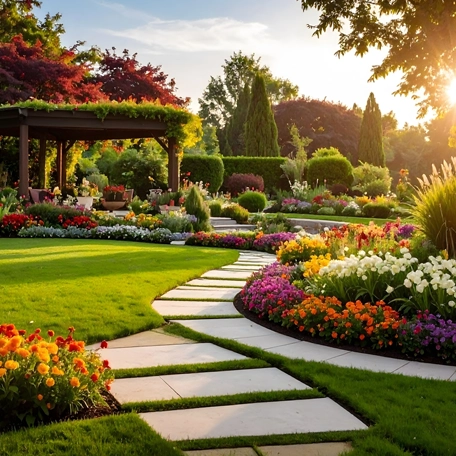
Romantic garden rose aesthetics
This technique mimics nature, featuring loose eucalyptus greenery and soft blooms like peonies or garden roses for a vintage wedding.
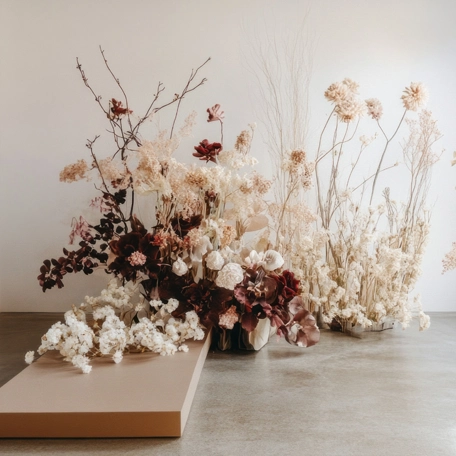
Preserved dried flower installations
Pampas grass, seed pods, and dehydrated hydrangeas offer texture, creating eco-friendly designs that last significantly longer than fresh counterparts.
Elevating events with curated floral scenography
Luxury weddings and milestone anniversaries require planning where blooms anchor visuals. Suspended floral clouds transform venues into immersive environments reflecting the unique celebratory reception.
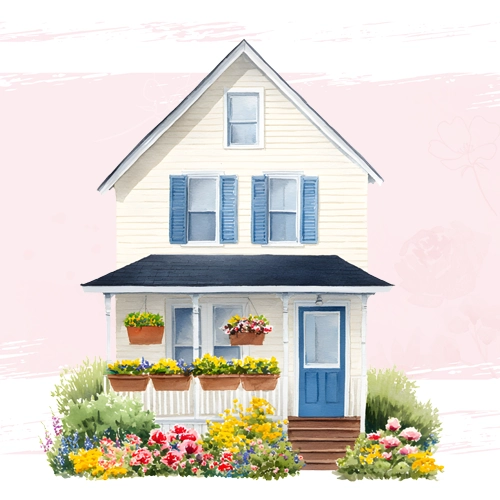
Integrating floral design into residential landscaping
Beyond the vase, expertise extends to terraces where perennial borders create tapestries. Garden design considers soil pH and bloom cycles to ensure continuous color, structural interest, and biodiversity throughout seasons.
Techniques for maximizing cut flower longevity
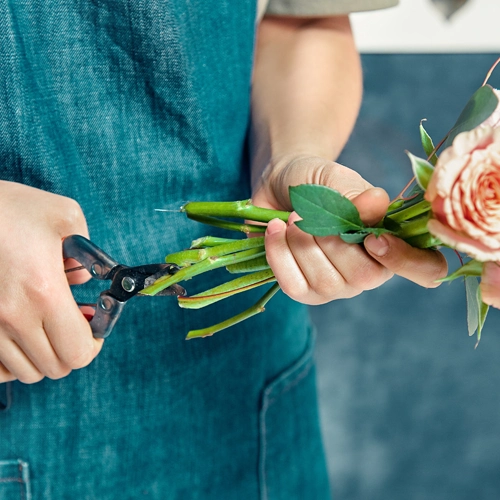
Proper stem cutting preparation
Cutting stems at a 45-degree angle increases hydration surface area while removing foliage prevents bacterial growth affecting the bloom lifespan.
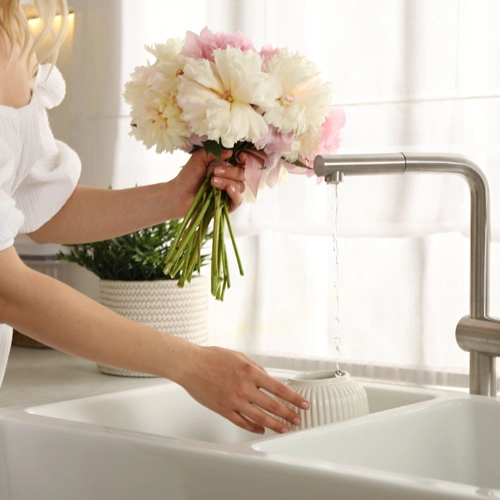
Vase water quality control
Changing vase water daily and adding preservative food provides necessary sugars and biocides that keep the petals vibrant and hydrated.
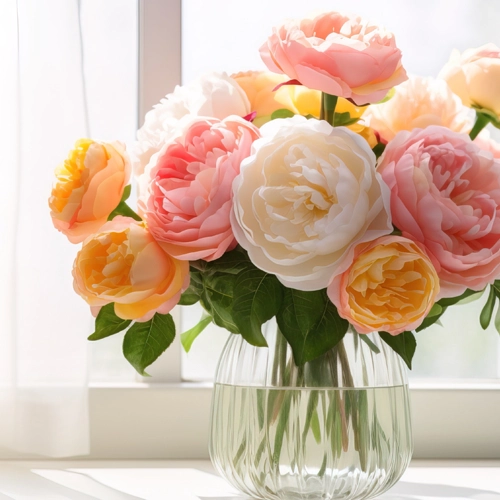
Environmental stress and placement
Placing bouquets away from direct sunlight, drafts, and ripening fruit prevents premature wilting caused by dehydration or exposure to ethylene gas.